
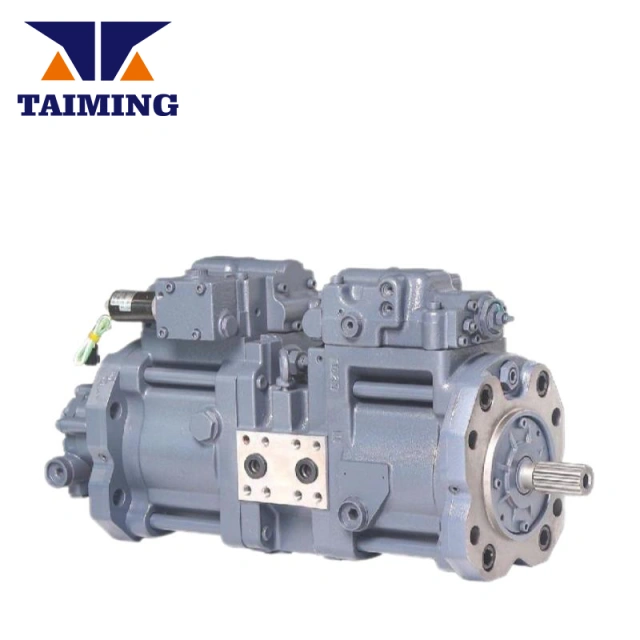
A cycloid hydraulic motor is a **low-speed, high-torque** hydraulic actuator. It converts hydraulic energy into rotary mechanical energy. Its key feature is a **compact structure**, allowing it to deliver significant power directly without the need for an additional gearbox.
II. What are its advantages?
– **High torque at low speeds**: It delivers substantial torque even at very low rotational speeds and provides strong starting power.
– **Compact size, high power output**: It offers high power output relative to its size, making it ideal for equipment with limited space.
– **Easy installation and maintenance**: It is ready for use once hydraulic lines are connected, and the direction of rotation can be reversed simply by changing the oil flow direction. With fewer internal components, it has a low failure rate and is easy to maintain.
– **Smooth operation and low noise**: It operates with minimal vibration and noise, making it suitable for applications requiring quiet operation or precise control.
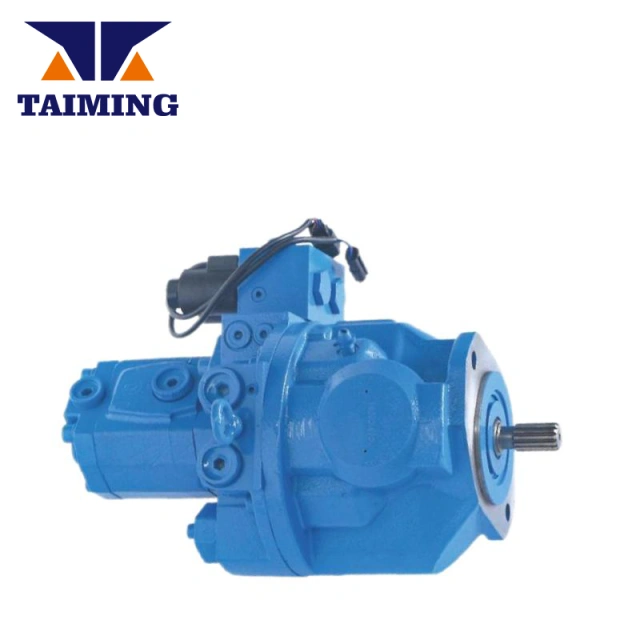
III. How does it work?
Its operation relies on the interaction between an **inner rotor** and an **outer stator**.
1. **Structure**: The inner rotor has N teeth, while the outer stator has N+1 teeth. The inner rotor is mounted eccentrically within the stator, creating a series of sealed chambers between them.
2. **Action**: High-pressure oil enters these chambers. Driven by the pressure differential, the inner rotor simultaneously **rotates slowly around its own axis** and **rotates rapidly in the opposite direction around the stator’s center** (this combined motion is known as “orbital motion”).
3. **Result**: As the rotor turns, the chambers continuously intake high-pressure oil and discharge low-pressure oil. The rotor’s motion is transmitted to the output shaft, generating continuous rotary power.
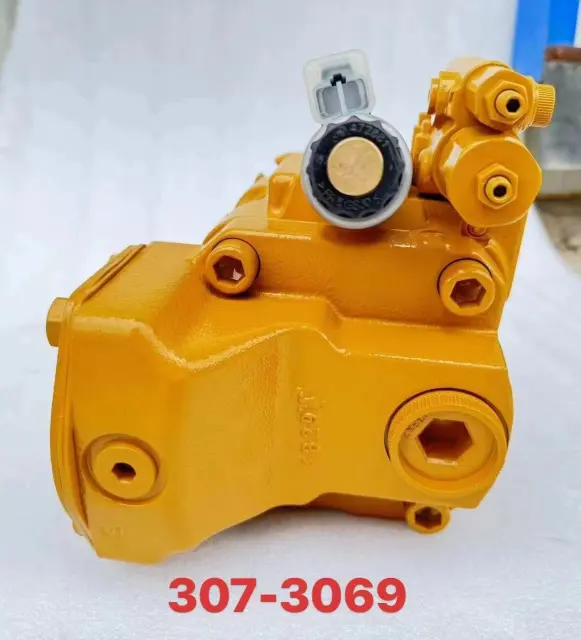
IV. Where is it primarily used?
– **Agricultural machinery**: Seeders, harvesters, and other equipment requiring stable, low-speed operation.
– **Construction machinery**: Excavators and loaders operating on complex terrain and under heavy loads. – **Material Handling**: Drives conveyor belts, screw conveyors, winches, etc.; capable of direct integration into the equipment.
– **Sanitation Vehicles**: Street sweepers, garbage compactors; requires low noise and stable operation.
V. What factors should be considered during selection?
– **Torque and Load**: Allow for a safety margin of approximately 20% based on the actual equipment load; pay special attention to peak torque during startup.
– **Operating Pressure**: Confirm continuous, intermittent, and peak system pressures; ideally, operate within the rated continuous pressure range.
– **Displacement and Speed**: Displacement determines rotational speed for a given flow rate; ensure equipment speed requirements are met.
– **Interface Compatibility**: Mounting flanges, output shafts, and port threads must match the equipment. If return-line backpressure is high, select a model with an external case drain port.
– **Side Loading**: If sprockets or pulleys are mounted directly to the output shaft, consult the manufacturer’s load curves; select a model with reinforced bearings for heavy loads.
– **Operating Environment**: Select appropriate seals and protection ratings based on temperature, dust, and corrosive conditions; high standards for hydraulic fluid cleanliness are required.
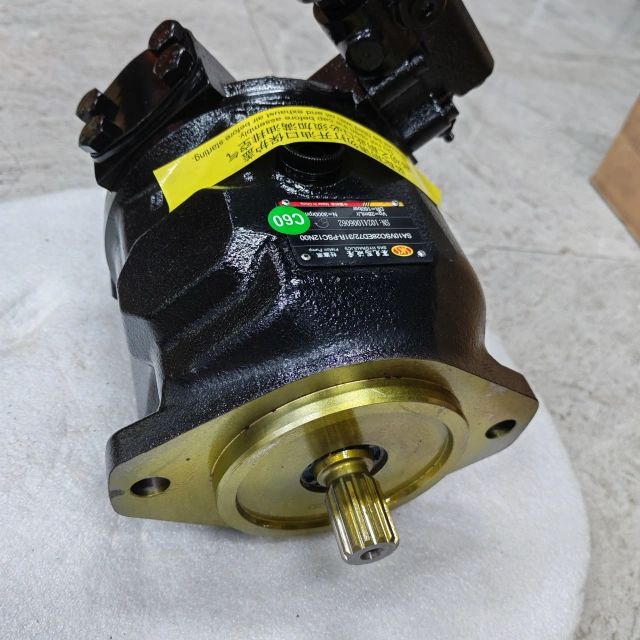
VI. How does it differ from a roller-type hydraulic motor?
– **Structure**: Gerotor (cycloidal) types feature **direct sliding contact** between the rotor and stator; roller types feature rollers embedded in the stator teeth, resulting in **rolling contact**.
– **Friction and Wear**: Gerotor types experience higher sliding friction and relatively faster wear; roller types have lower rolling friction, offering superior wear resistance and longer service life.
– **Low-Speed Performance**: Gerotor types may suffer from “stick-slip” and unstable speed at extremely low speeds; roller types compensate for tolerances, ensuring smoother operation at very low speeds.
– **Efficiency**: Due to lower frictional losses, roller types typically offer higher mechanical and volumetric efficiency. – **Pressure Resistance**: Gerotor types are suitable for **low-to-medium pressure and intermittent operation**; roller types can withstand **higher pressures** and are suitable for continuous high-pressure operation.
VII. FAQs
– **Why are there strict requirements for oil cleanliness?** The clearance between the internal rotor and stator is extremely small (micron-level); impurities can wear down the tooth surfaces, leading to reduced efficiency and insufficient torque. A filtration rating of 20 microns or finer is recommended.
– **Can it be mounted vertically?** Yes. However, if the shaft end faces upward, the top bearing and seal may suffer from poor lubrication; the system must be bled of air before initial startup, and internal pressure must be sufficient to supply oil to the top.
– **Can it rotate in both directions?** Most models can; simply reverse the inlet and outlet flow. However, verify that the specific model supports this, as reverse rotation could otherwise cause excessive seal pressure or inadequate lubrication.
– **Why does it overheat?** Usually due to overloading, oil contamination, or insufficient cooling, resulting in increased friction and poor heat dissipation.
– **Why is there abnormal noise?** Possible causes include insufficient oil, incorrect viscosity, or high impurity levels leading to dry friction; alternatively, poor coaxial alignment during installation or insufficient bracket rigidity may be causing vibration.
**Summary:** The gerotor hydraulic motor is a compact, powerful (at low speeds), and easy-to-install power component, making it ideal for equipment that requires high torque within limited space. When selecting a model, focus on torque, pressure, rotational speed, and port specifications, and ensure the hydraulic oil remains clean.