
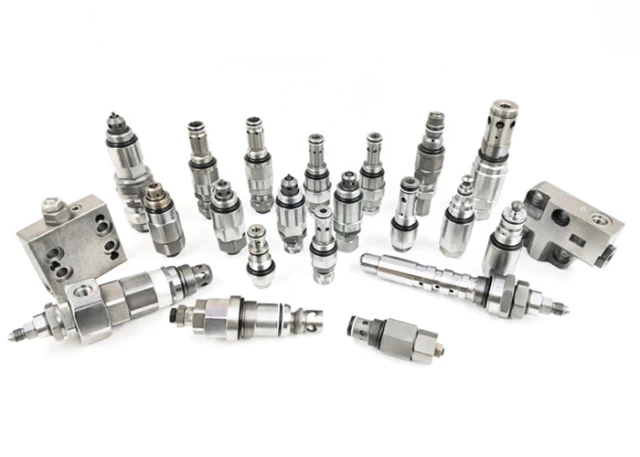
I. How to detect a leak? (Common signs)
• External oil leakage: Oil stains or droplets on the valve body or connections; oil pooling on the ground.
• Abnormal pressure: Pressure gauge needle fluctuates; pressure rises slowly or fluctuates repeatedly.
• Sluggish operation: Slow or weak movement of hydraulic cylinders or lifting platforms; reduced clamping force.
• Excessive oil temperature: Persistently high reservoir temperature; increased load on the cooling system.
• Unusual noise: Hissing or whistling sounds, or irregular vibrations near the valve.
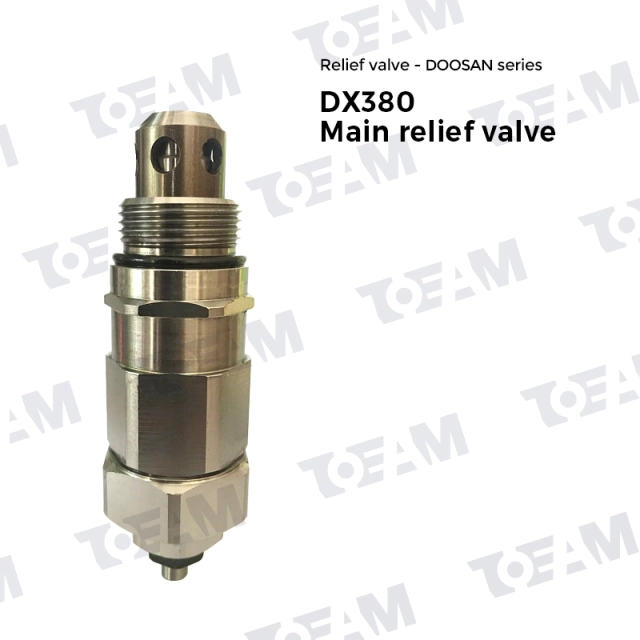
II. Why do leaks occur? (Main causes)
• Prolonged operation under excessive pressure: Constant exposure to pressure surges causes sealing surface wear and spring fatigue.
• Hydraulic oil contamination: Impurities (metal chips, dust, etc.) get trapped between the valve spool and seat, preventing a tight seal.
• Sealing surface wear: Frequent pressure relief and high-speed oil flow erode the spool and seat, causing scratches or pitting.
• Spring fatigue: The spring weakens over time, lowering the opening pressure; adjustment screws may also loosen.
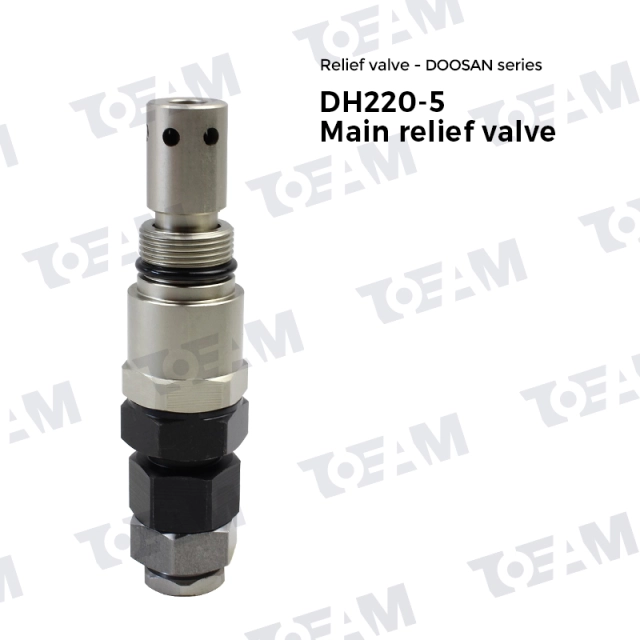
III. How to fix a leak? (Troubleshooting and repair)
1. Safety first: Cut off power, release residual pressure in the lines, and ensure the pressure gauge reads zero.
2. Distinguish between external and internal leaks:
• External leak: Oil is visibly seeping from connections or seals.
• Internal leak: Not visible, but system pressure drops rapidly when holding pressure.
3. Repairing external leaks: Tighten bolts and pipe fittings first. If the leak persists, replace O-rings or gaskets. Replace the valve entirely if the body is cracked.
4. Repairing internal leaks: Disassemble the valve and clean the spool and valve cavity. Inspect the sealing surfaces; minor scratches can be repaired by lapping, but severe damage requires part replacement. Also, check the spring; replace it if it is deformed or has lost its tension.
5. Readjust pressure and test: After reassembly, connect a standard pressure gauge and slowly adjust the pressure to the set value. Operate without load first, then gradually increase the pressure while monitoring for stability and any signs of recurring oil leakage.
IV. How to prevent leakage? (Routine maintenance)
• Monitor pressure regularly: Keep an eye on actual operating pressure and peak pressure to detect anomalies early.
• Keep the oil clean: Regularly check oil cleanliness, change the oil on schedule, and clean the reservoir and piping during oil changes.
• Use high-precision filter elements: Install filters with a filtration rating of ≤10μm at the pump outlet and in the return line.
• Inspect valves regularly: Perform functional tests quarterly or semi-annually, and disassemble/clean them once a year.
• Maintain maintenance records: Log the date, issues, and corrective actions for each maintenance task to help optimize the maintenance schedule.
V. Other common questions
• Is a small amount of oil leakage at the pilot port normal?
A small amount of leakage during pressure adjustment is normal. However, if leakage persists after the equipment stabilizes or the leakage volume increases, there is a problem.
• What should be considered when selecting a valve?
In addition to pressure and flow ratings, consider the machining precision and surface treatment of the spool and seat, as well as whether the seals are compatible with the operating temperature and oil type.
• Does the oil type matter?
Yes. Oil that is too thin or has degraded can easily lead to internal leakage. Switching to a different brand of oil may also cause leakage due to mismatched specifications.
• Is there a difference between valves of different pressure ratings?
Yes. High-pressure valves require stronger springs and spools as well as high-pressure-resistant seals; low-pressure components cannot be used interchangeably.