1. Excavators
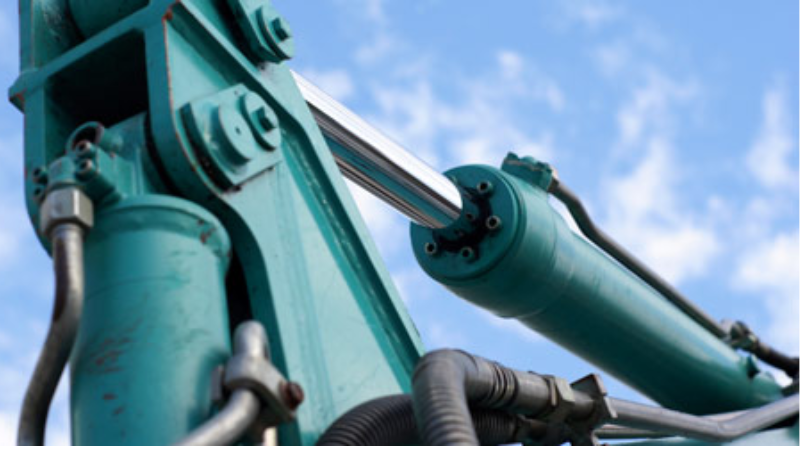
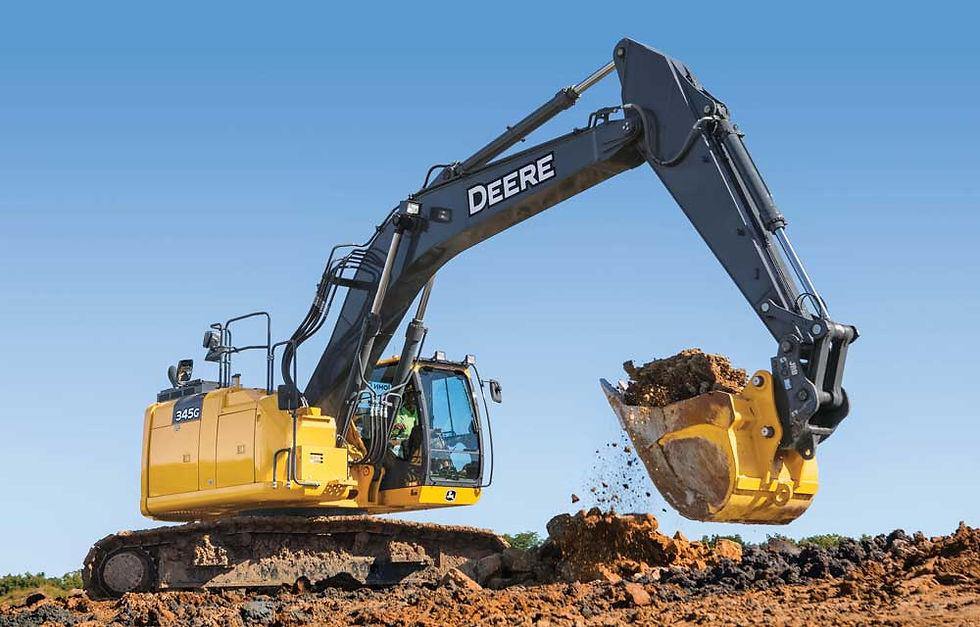
The hydraulic system controls the boom, arm, bucket, swing, and travel functions. Since multiple operations may occur simultaneously, efficient flow distribution and stable pressure maintenance are essential.
2. Loaders
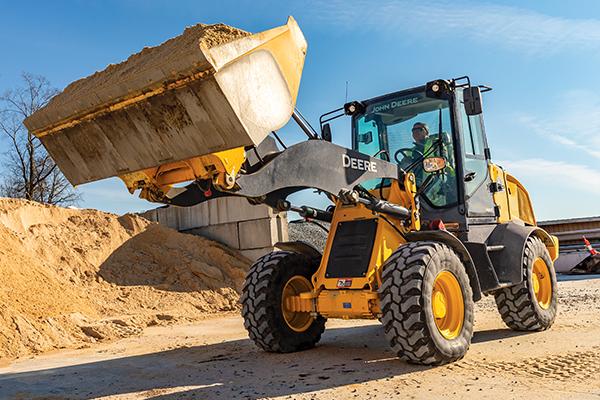
Primarily responsible for the lifting and tilting of the bucket. Key requirements include sufficient lifting force, smooth operation, and the minimization of impact and wear.
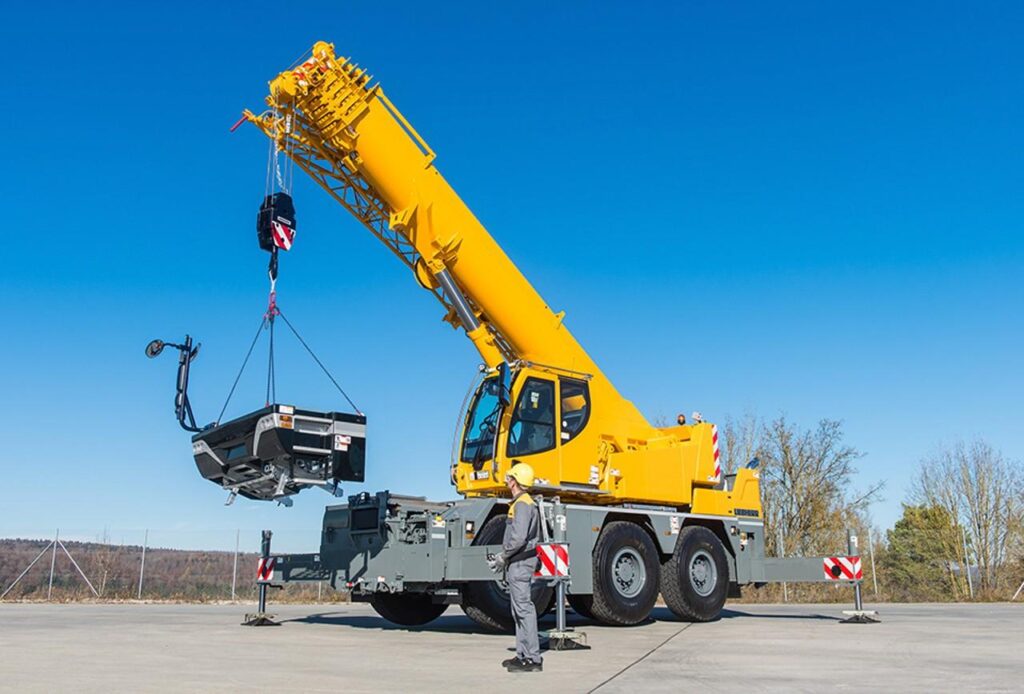
3. Cranes
Used for boom extension/retraction, hoisting heavy loads, and adjusting outriggers. The focus is on load stability, precise control, and safety protection.
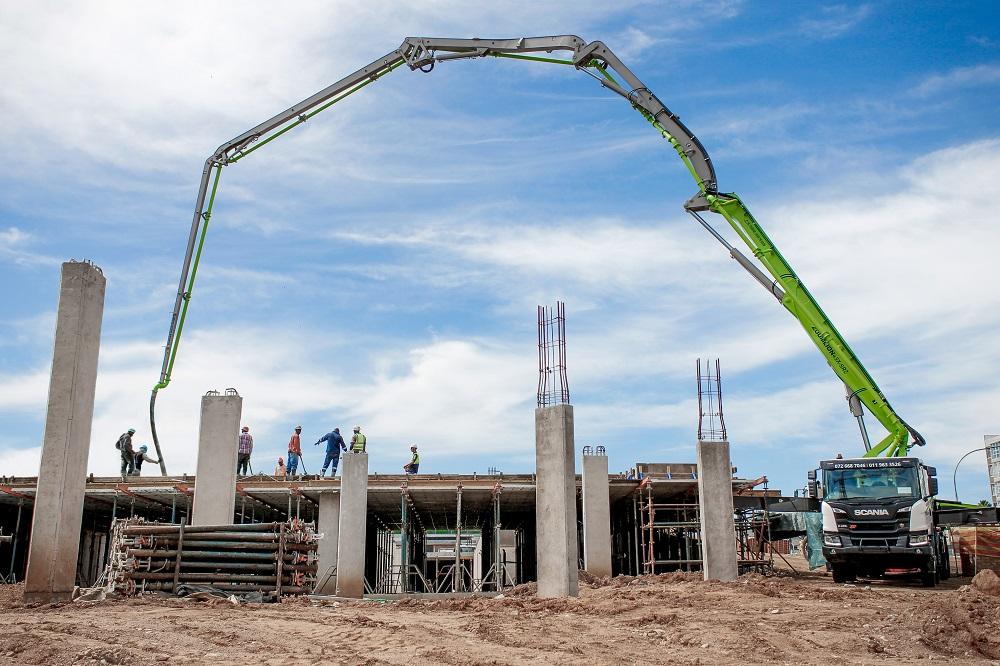
4. Concrete Pumps
The hydraulic system drives the pumping and directional-switching mechanisms. Given the long, continuous operating hours, heat dissipation capacity and durability are critical.
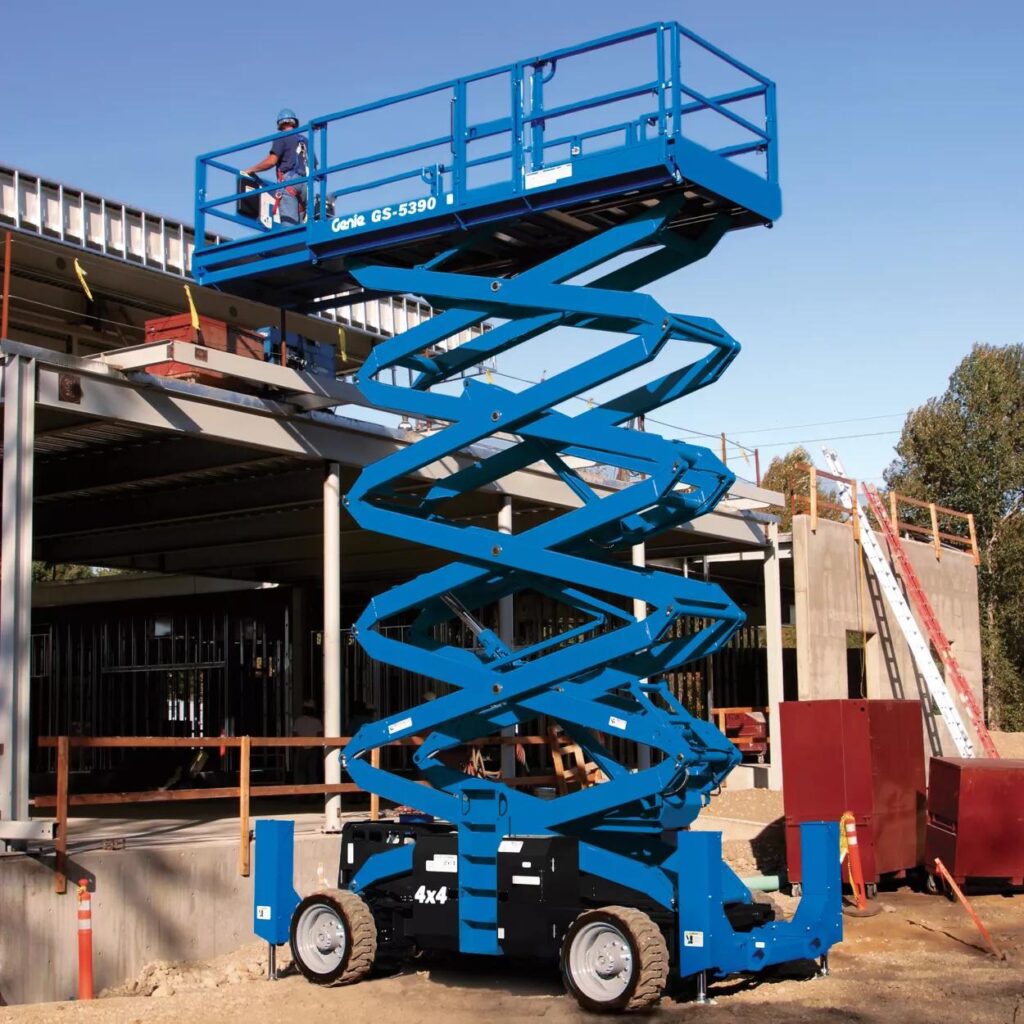
5. Aerial Work Platforms
Responsible for lifting and positioning. The priority is smooth movement, along with the ability to reliably hold or lock the load in place should an abnormal situation occur.
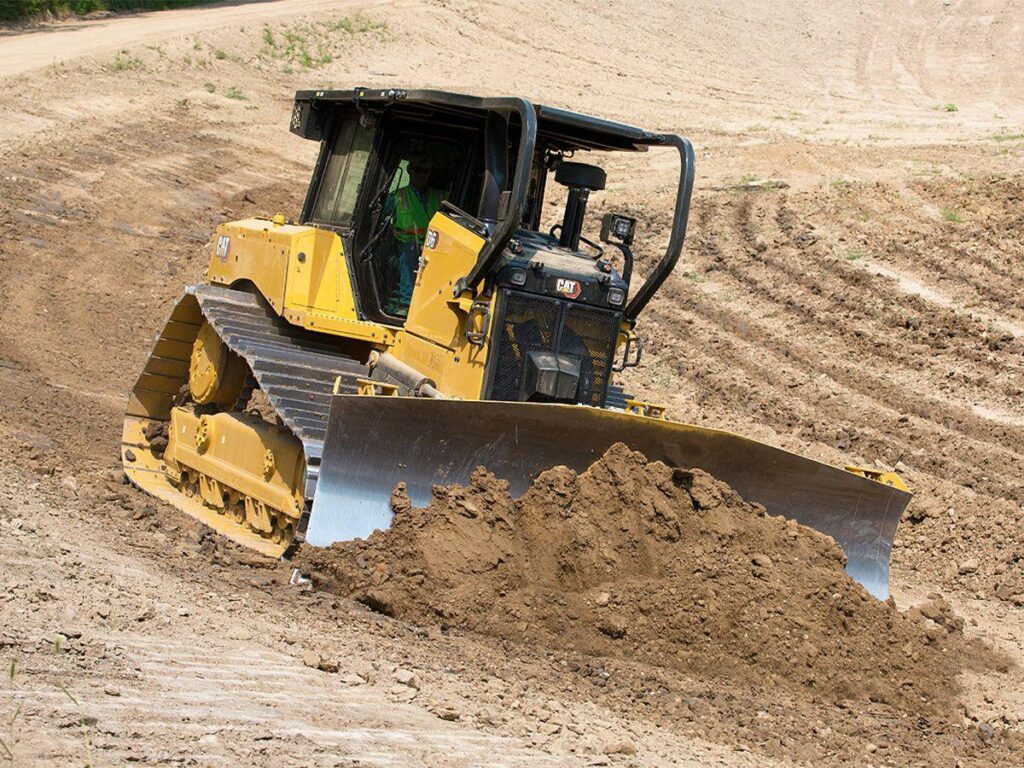
6. Bulldozers
The hydraulic system primarily controls the lifting and angling of the dozer blade, which directly influences operational precision and efficiency.